
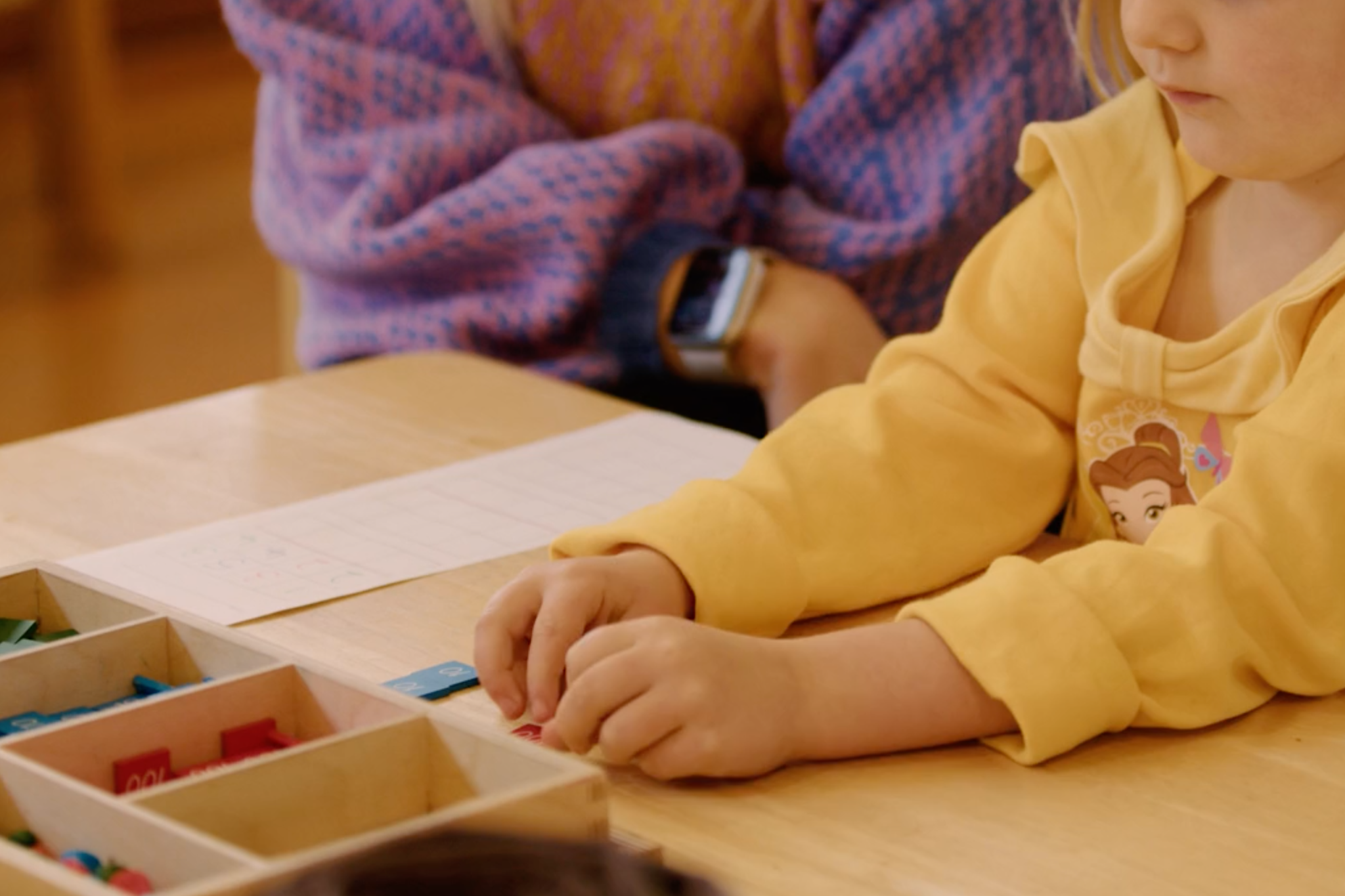
The 3-Year Cycle
Children remain together in 3-year cycles, creating a rich environment that mirrors real-world settings. This structure fosters peer mentorship, everyday collaborative learning, leadership development, and strong social-emotional growth.
The multi-age grouping supports a natural learning cycle - students progress from learners to mentors - strengthening both understanding and community bonds. This builds trust to guide them through the curriculum in a way that suits the individual child, their learning style and level of understanding, so that lessons can be delivered at a child’s own pace.
Multi-age classrooms reflect the diversity of our wider community, where the mix of ages, abilities and backgrounds offers numerous benefits for all learners.
In the multi-age classroom, these include:
Older children act as role models for younger students, with opportunities to assume leadership roles.
Children are able to work at their own pace without feeling conspicuously 'ahead' or 'behind' their peers.
Younger children can seek help from older or more experienced peers, rather than turning to an adult for assistance.
Ultimately, this fosters the development of soft skills such as listening, patience, and empathy.
Each three-year cycle contains a sequence of information and skills that depends on the repetition of similar exercises to ensure concepts are fully grasped. The three years correspond to the three steps of a quality learning process:
1. Acquisition; 2. Refinement; and 3. Consolidation.
Key Benefits
-
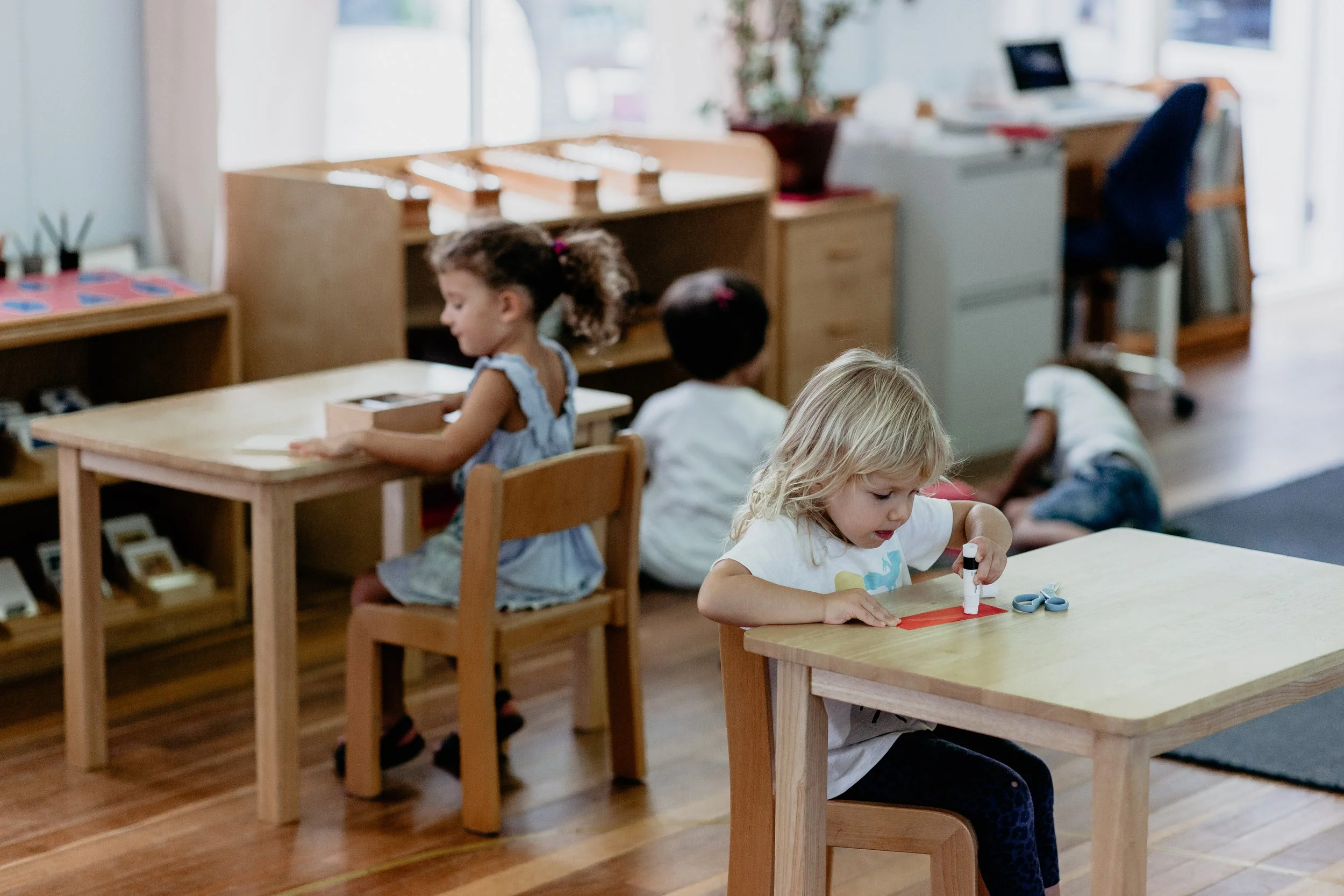
Close observation allows each teacher to adjust strategies and timeframes to the individual, adapting and responding effectively to learning and behavioural needs.
-
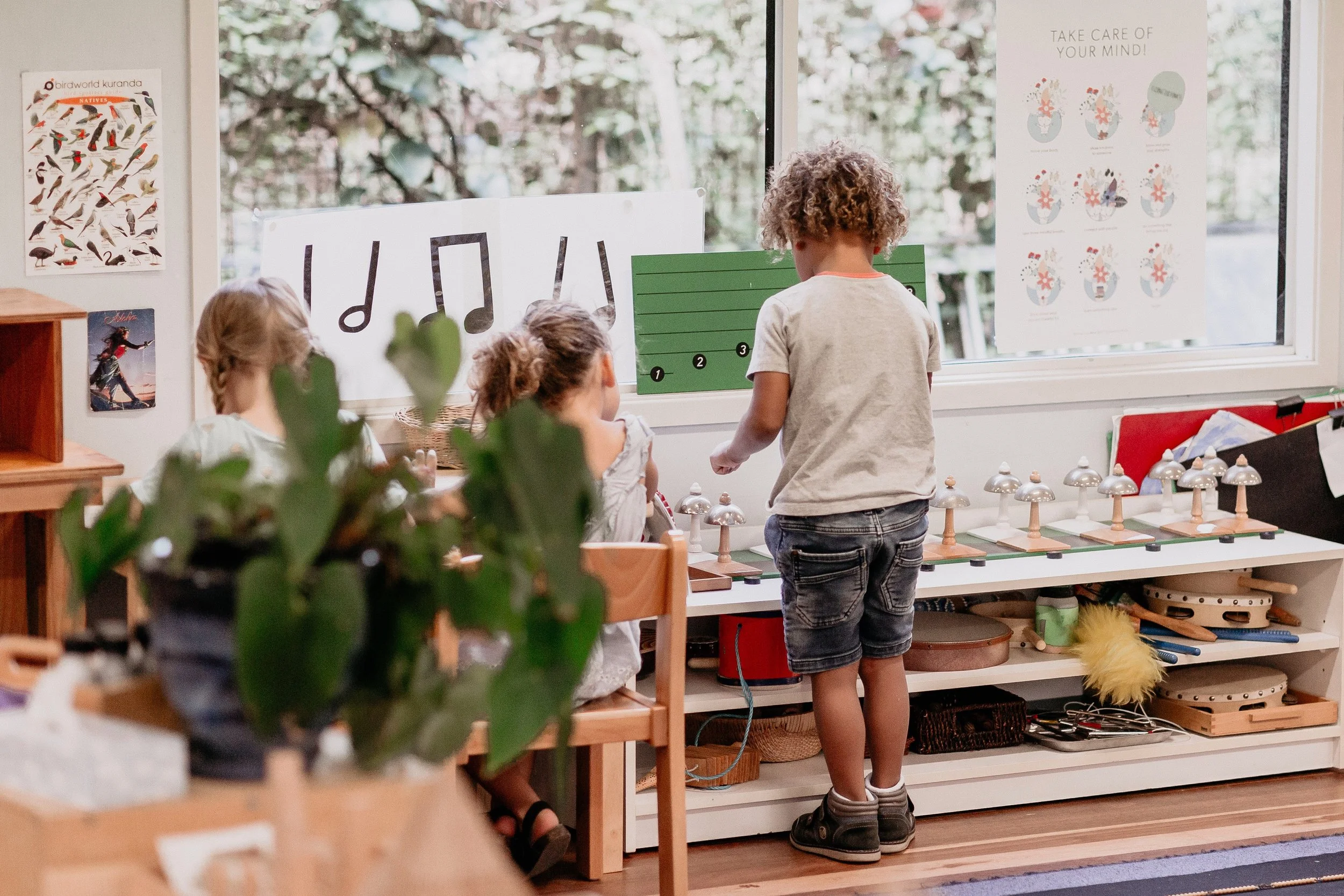
Equal emphasis is placed on building key social skills of conflict resolution, empathy, effective communication with diverse groups, engaging with grace and courtesy, care with kindness.
-

Mixed age classrooms for bonding, cooperation, collaboration, leadership and peer teaching.
-
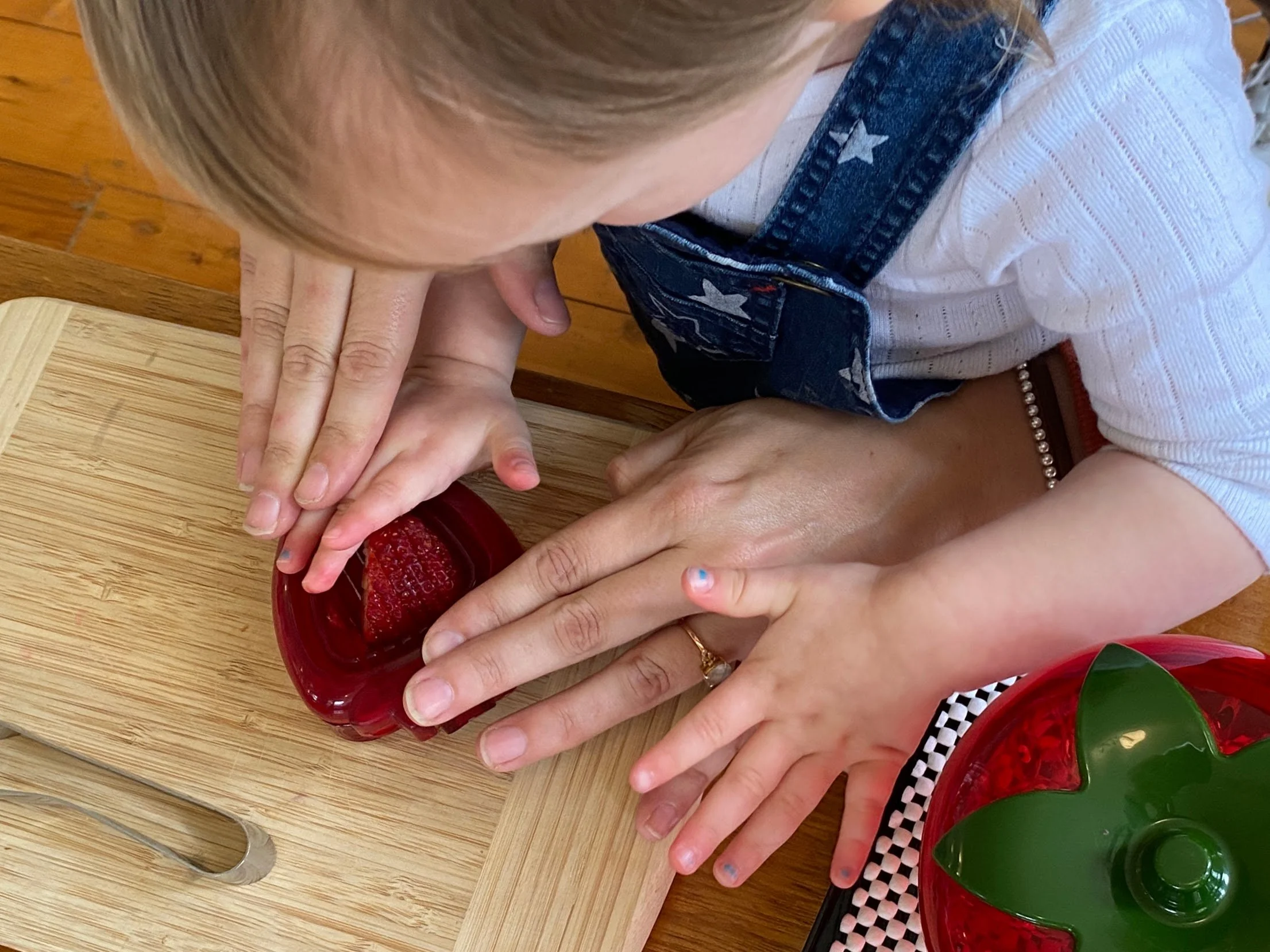
Scientifically devised to support physical, academic, social and emotional growth stages.